What California Businesses Should Know About Commercial Auto & Business Insurance
- December 3, 2025
- Posted by: user
- Category: Insurance
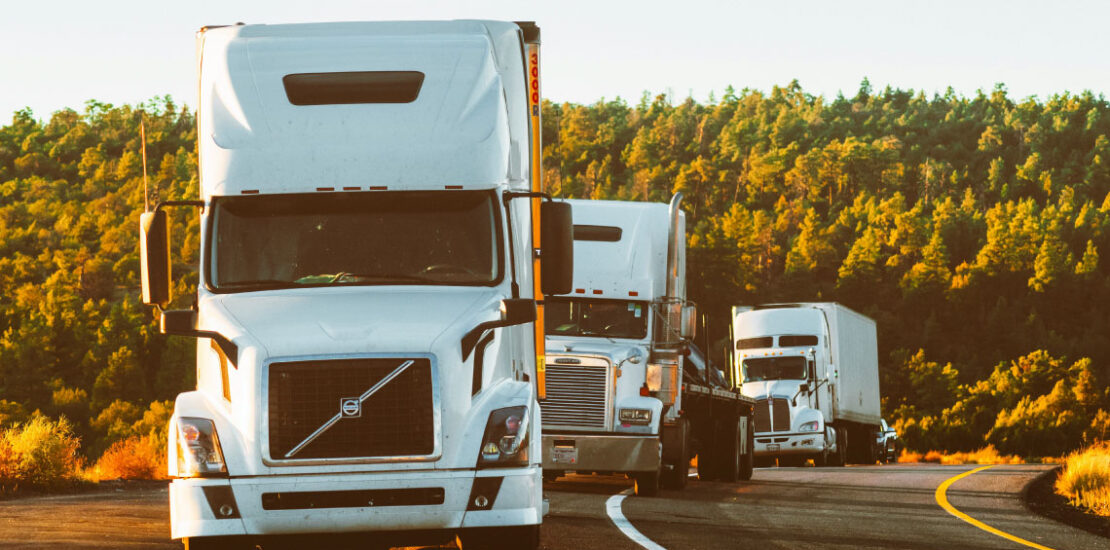
Operating a business in California comes with opportunity, growth, and responsibility. Whether you own a small landscaping company, run a food truck, manage a construction crew, or operate a delivery service, protecting your business with the right insurance is not optional — it’s essential.
Many business owners assume their personal auto policy or basic liability coverage is enough. Unfortunately, that misunderstanding can lead to denied claims, legal issues, and major financial losses. In this guide, we’ll explain what California businesses need to know about commercial auto and business insurance, and how Just Auto Insurance & Brokers can help you stay protected while keeping costs under control.
Why Personal Insurance Isn’t Enough for Business Use
In California, if a vehicle is used for business purposes — even occasionally — a personal auto insurance policy may not provide coverage. This includes driving to job sites, transporting tools or equipment, making deliveries, or using a vehicle with company branding.
If you’re involved in an accident while using a vehicle for work, a personal policy may deny the claim entirely. That could leave you responsible for medical bills, vehicle repairs, and legal fees. Commercial auto insurance is designed specifically to cover vehicles used for business and to protect both the driver and the company.
Understanding Commercial Auto Insurance in California
Commercial auto insurance provides liability and physical damage coverage for vehicles used in business operations. These policies are customized based on the type of work you do, the vehicles you operate, and how often they’re used.
In California, commercial auto insurance typically covers accidents involving company-owned vehicles, employee-driven vehicles, and in some cases rented or non-owned vehicles. It helps protect businesses from claims related to injuries, property damage, vehicle repairs, and lawsuits that can arise from everyday operations.
Which Businesses Need Commercial Auto Insurance?
Commercial auto insurance is necessary for a wide range of California businesses. Contractors, landscapers, painters, electricians, plumbers, and HVAC companies often rely on trucks and vans to carry tools and equipment. Delivery services and courier companies use vehicles constantly, increasing exposure to risk. Food trucks, mobile mechanics, cleaning services, real estate professionals, and service-based businesses also need commercial coverage to stay protected.
If a vehicle is connected to how your business makes money, commercial auto insurance is strongly recommended — and in many cases required.
Why Business Insurance Matters Beyond Vehicles
While commercial auto insurance protects your vehicles, business insurance covers the rest of your operation. General liability insurance helps protect your business from claims involving bodily injury, property damage, and legal defense. In California, workers’ compensation insurance is required for any business with employees, even part-time workers, and covers job-related injuries and illnesses.
Business property insurance protects tools, equipment, inventory, and office space against fire, theft, vandalism, and weather damage. Many businesses choose a Business Owner’s Policy (BOP), which bundles liability and property coverage into one cost-effective package. Together, these coverages create a safety net that keeps your business running when unexpected events occur.
California-Specific Insurance Requirements
California has strict regulations for businesses. Workers’ compensation insurance is mandatory if you have employees. Commercial auto coverage is often required by clients, contracts, or municipalities. Certain industries, such as construction or transportation, may face higher minimum liability limits or special licensing requirements.
Failing to carry the proper insurance can result in fines, lawsuits, suspended operations, or loss of business contracts. Having the right coverage isn’t just about protection — it’s about compliance.
How Much Does Commercial Insurance Cost in California?
Insurance costs vary depending on your industry, the vehicles you use, your driving record, number of employees, and coverage limits. While commercial policies cost more than personal ones, they are far more affordable than paying out-of-pocket after a serious accident or lawsuit.
At Just Auto Insurance, we work with multiple top-rated insurance carriers to compare rates and find coverage that fits your budget. Many California business owners are surprised by how affordable proper protection can be when working with an experienced broker.
Why California Businesses Choose Just Auto Insurance
For over 30 years, Just Auto Insurance has helped small and mid-sized California businesses protect what they’ve built. With six Southern California office locations and the ability to quote and bind policies over the phone, we make business insurance simple and convenient.
Our team understands California’s insurance laws and works closely with business owners to create customized coverage plans. Whether you operate one vehicle or manage a fleet, we help you get the coverage you need — without paying for what you don’t.
Final Thoughts: Protect Your Business Before a Loss Happens
Running a business is hard work. One accident, lawsuit, or uninsured event can undo years of effort if you’re not properly covered. Commercial auto and business insurance provide the protection your business needs to grow with confidence.
If you use vehicles for work or operate a business in California, now is the time to review your coverage.
Just Auto Insurance was built on one simple idea: insurance should be simple, honest, and affordable.
